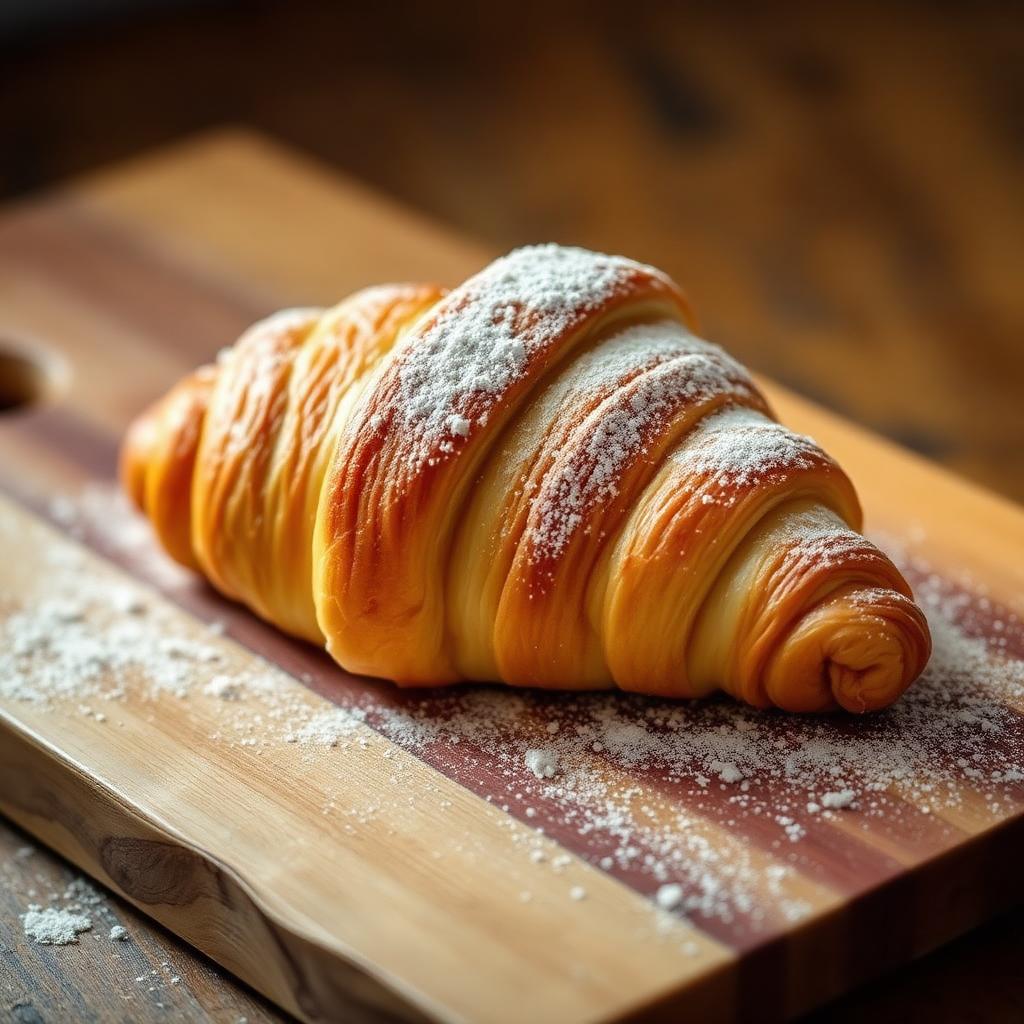
Butter Croissant
Buttery, flaky, with a deep golden shatter and a soft honeycomb centre.
French butter · Slow lamination
The menu
A short menu, on purpose. Each bake gets the time it deserves.
Buttery, flaky, with a deep golden shatter and a soft honeycomb centre.
French butter · Slow lamination
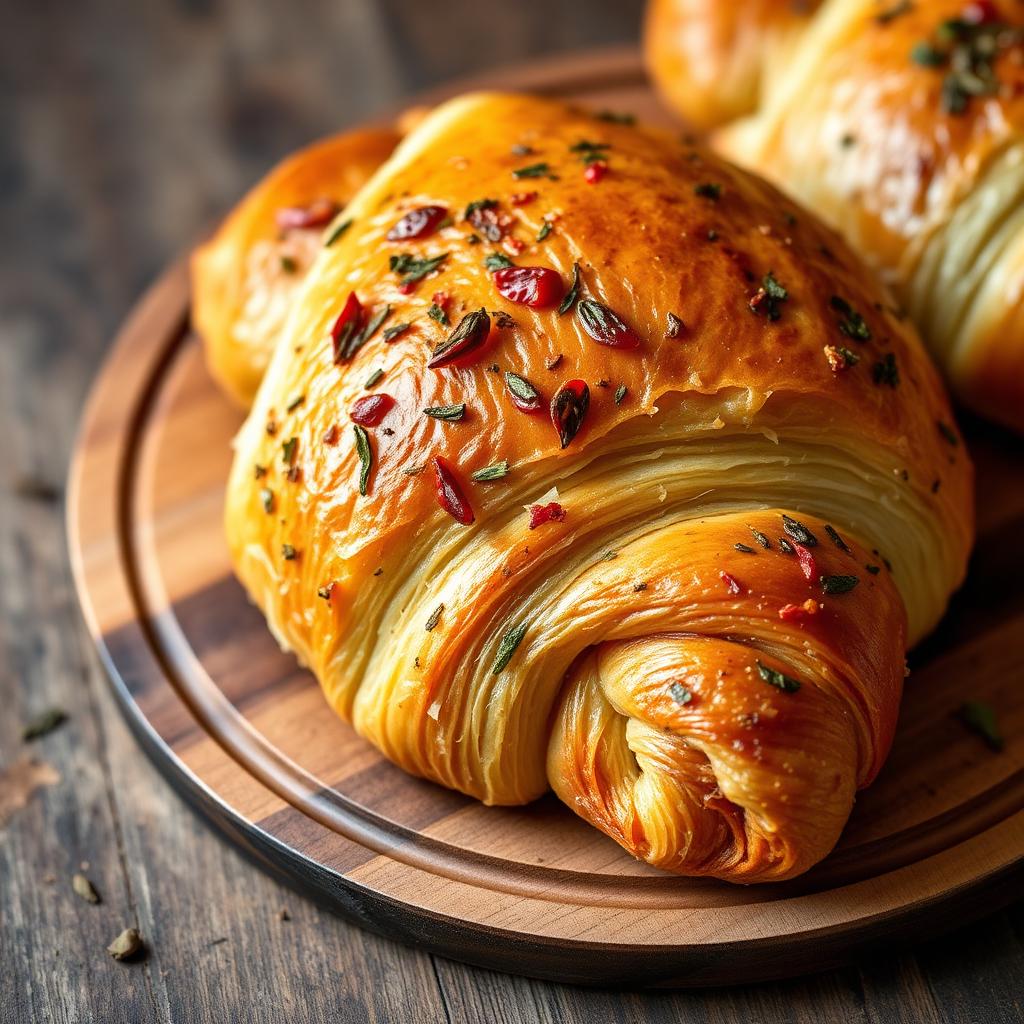
Our classic croissant, finished with oregano, chili flakes and a brush of olive oil. Savoury, warm, a little fiery.
Oregano · Chili flakes · Olive oil
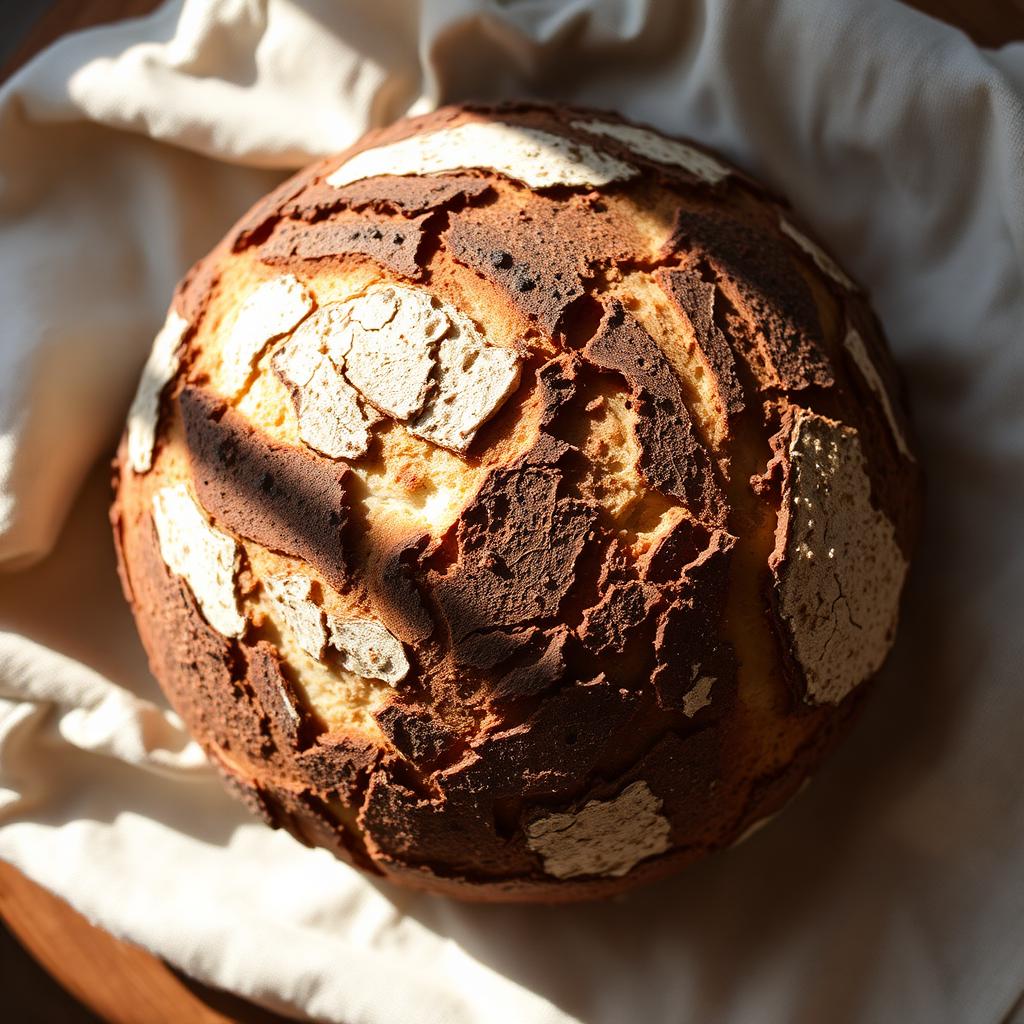
Our signature. No yeast sourdough bread. Crackled crust, open crumb, mild tang.
24hr cold proof · Long ferment
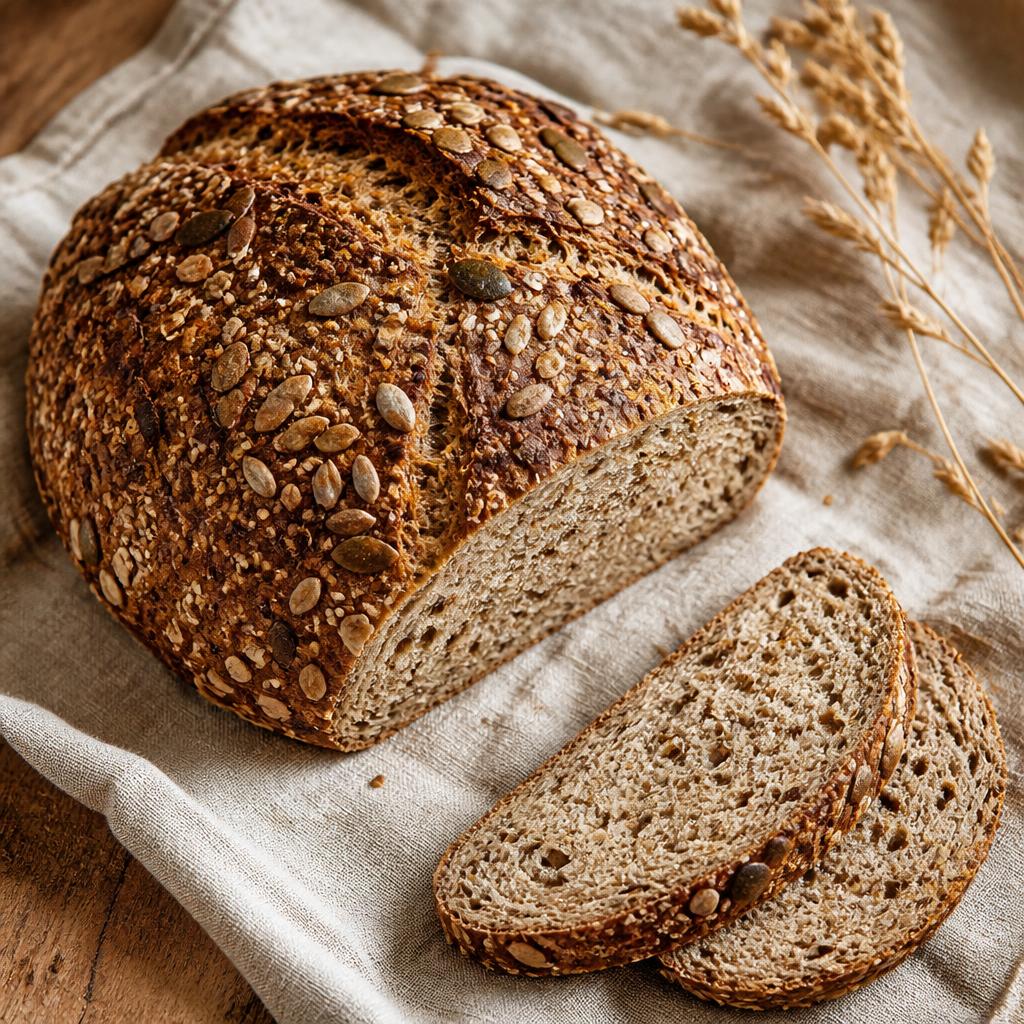
Wholesome and hearty, worked through with grains and seeds. Soft crumb, nutty crust, good every day.
Mixed grains · Seeds · Slow ferment
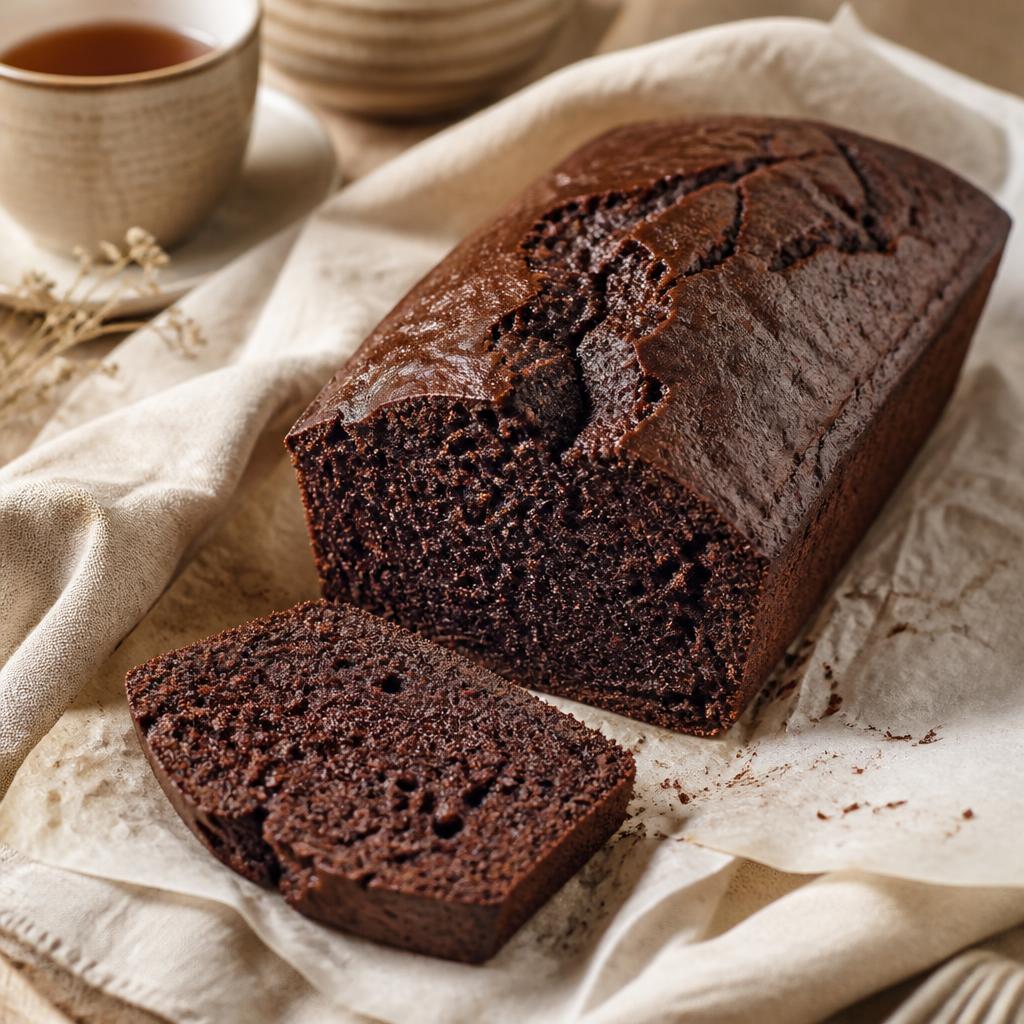
Deep, dark and properly moist. Real cocoa, no shortcuts, a fudgy crumb that keeps well.
Dark cocoa · Butter
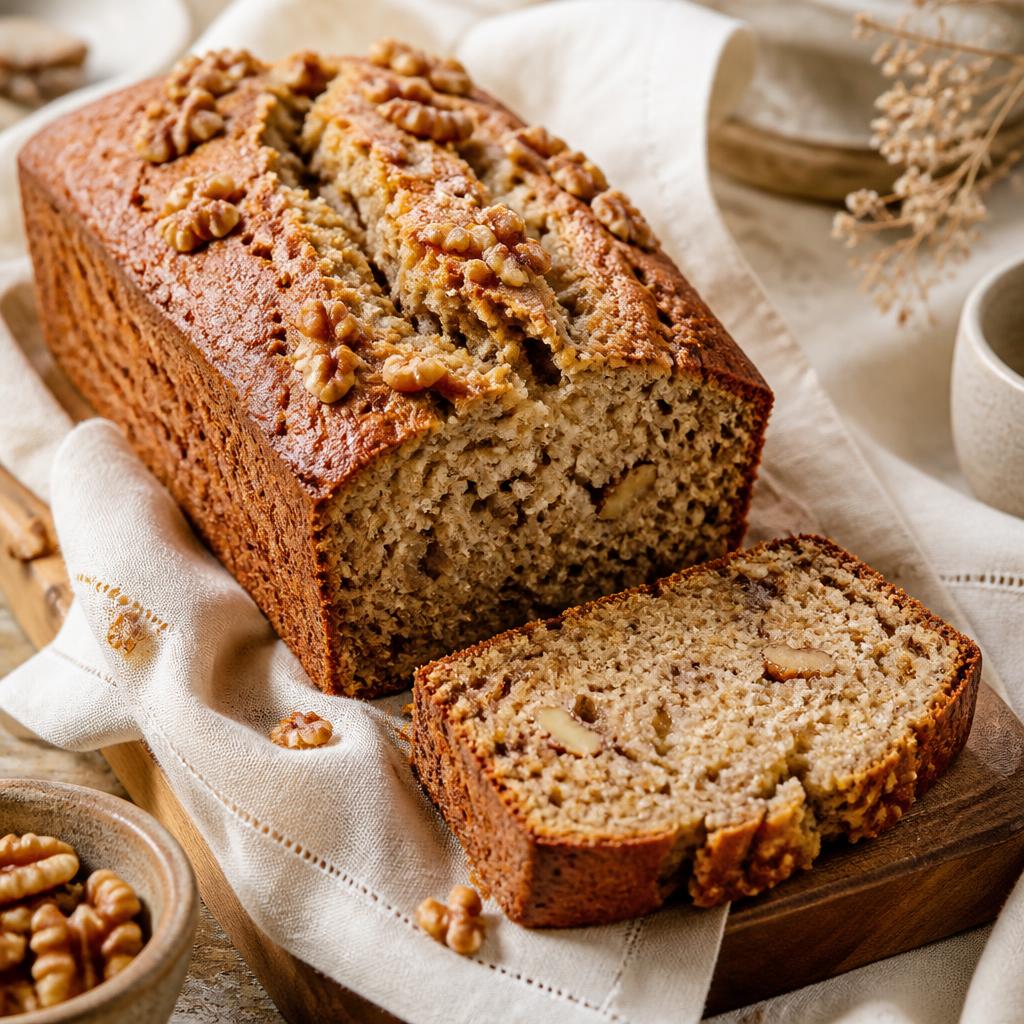
Ripe bananas, toasted walnuts and a cracked golden top. Comforting, honest, faintly caramel.
Ripe bananas · Toasted walnuts
No shortcuts, no improvers, no yeast. Long ferments, simple flour, time — just the kind of bread you'd bake if you had the patience.
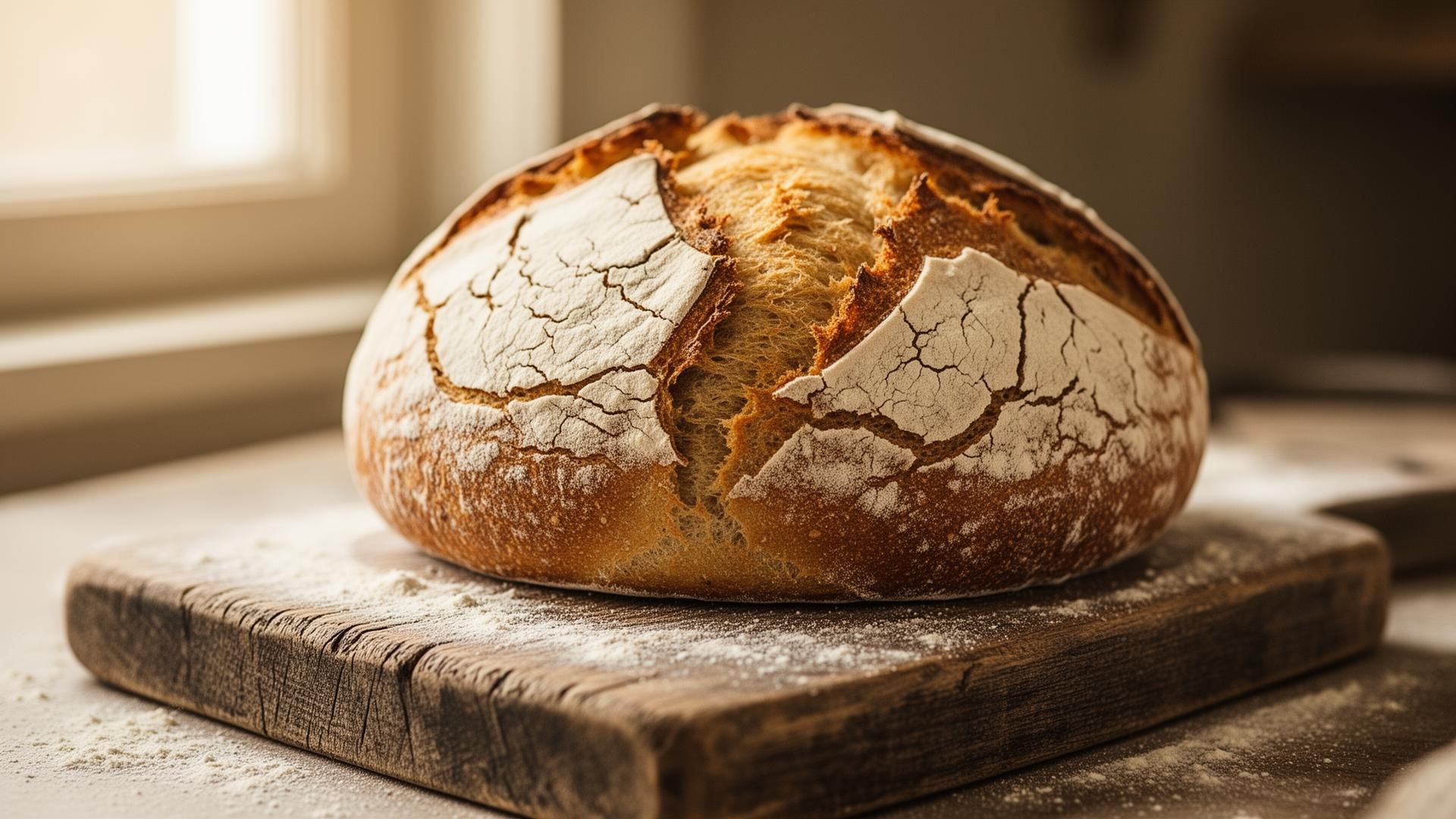
— Country sourdough, baked this morning.
Our story
The Good Loaf began the way most good things do — quietly, in a home kitchen, with a starter and a lot of failed loaves.
Today we bake from a small cloud kitchen. The starter is still the same. The flour is still simple. The bread still takes two days to make. We wouldn't have it any other way.
Ingredient philosophy
A short ingredient list is the whole point. We ferment slowly, and let flavour come from time instead of additives.
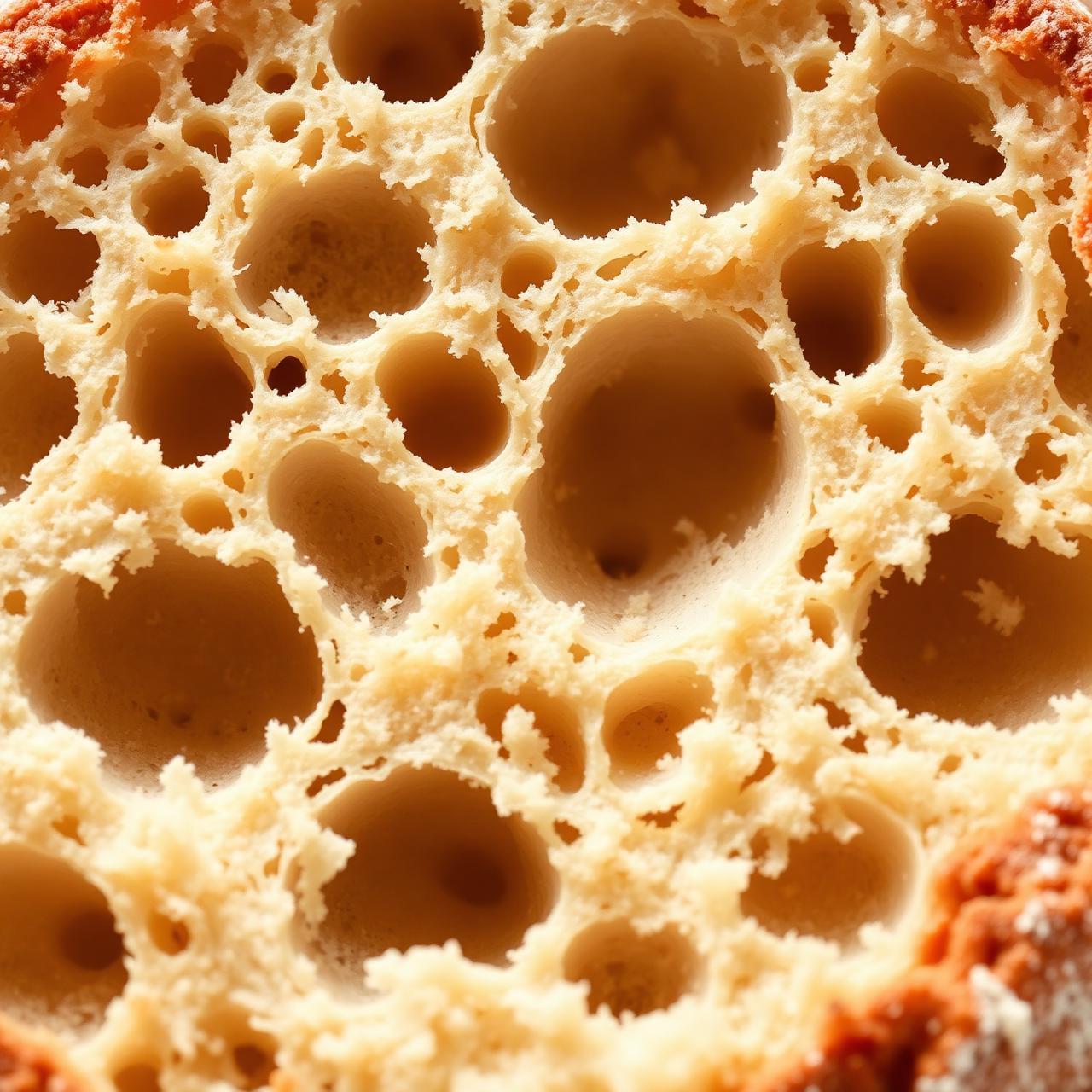
What's in.
What's out.
The craft
We could bake faster. We've chosen not to. Here's what actually happens between flour and your kitchen counter.
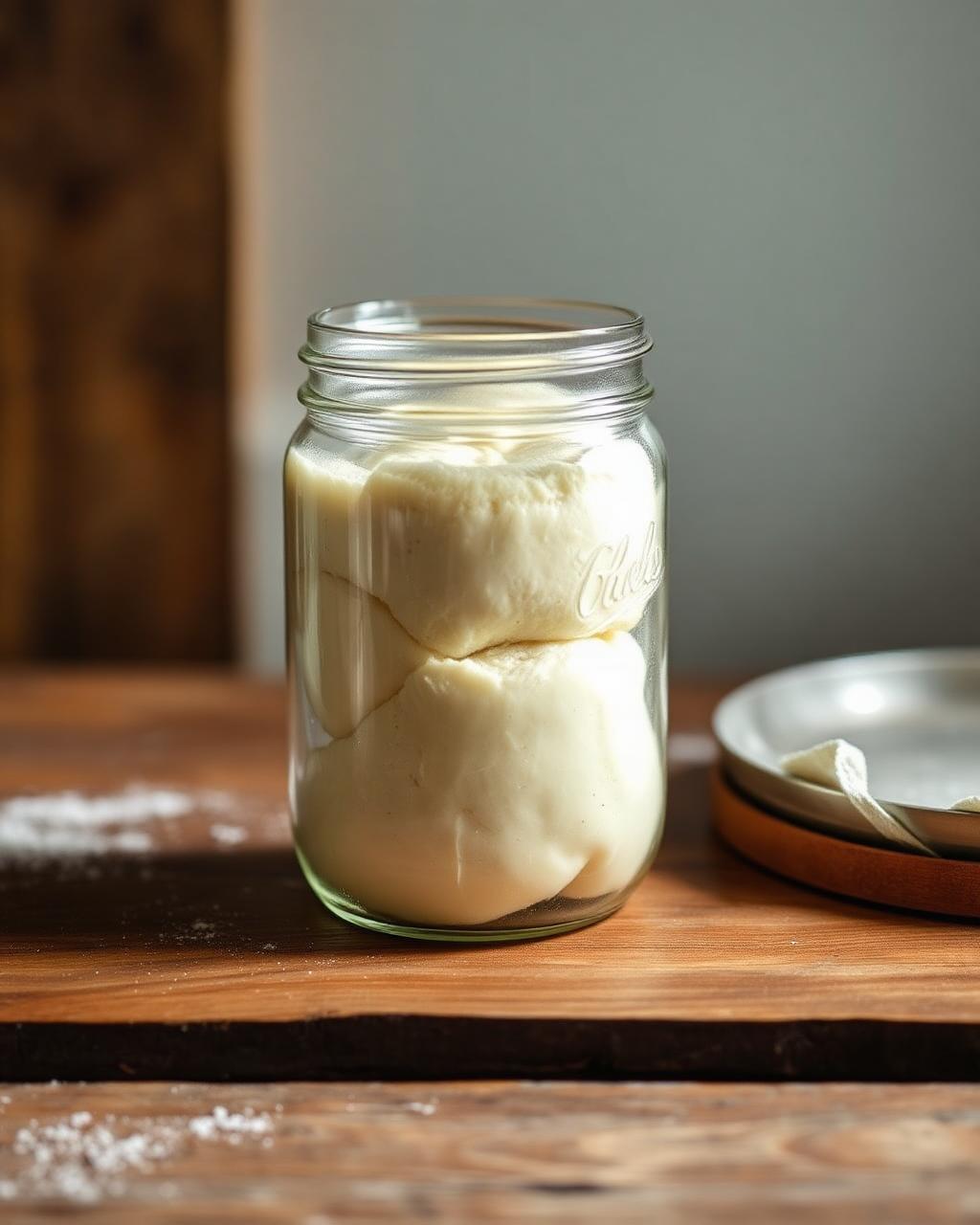
It starts the night before. Flour, water, a spoon of starter. Twelve to eighteen hours later, the dough is alive.
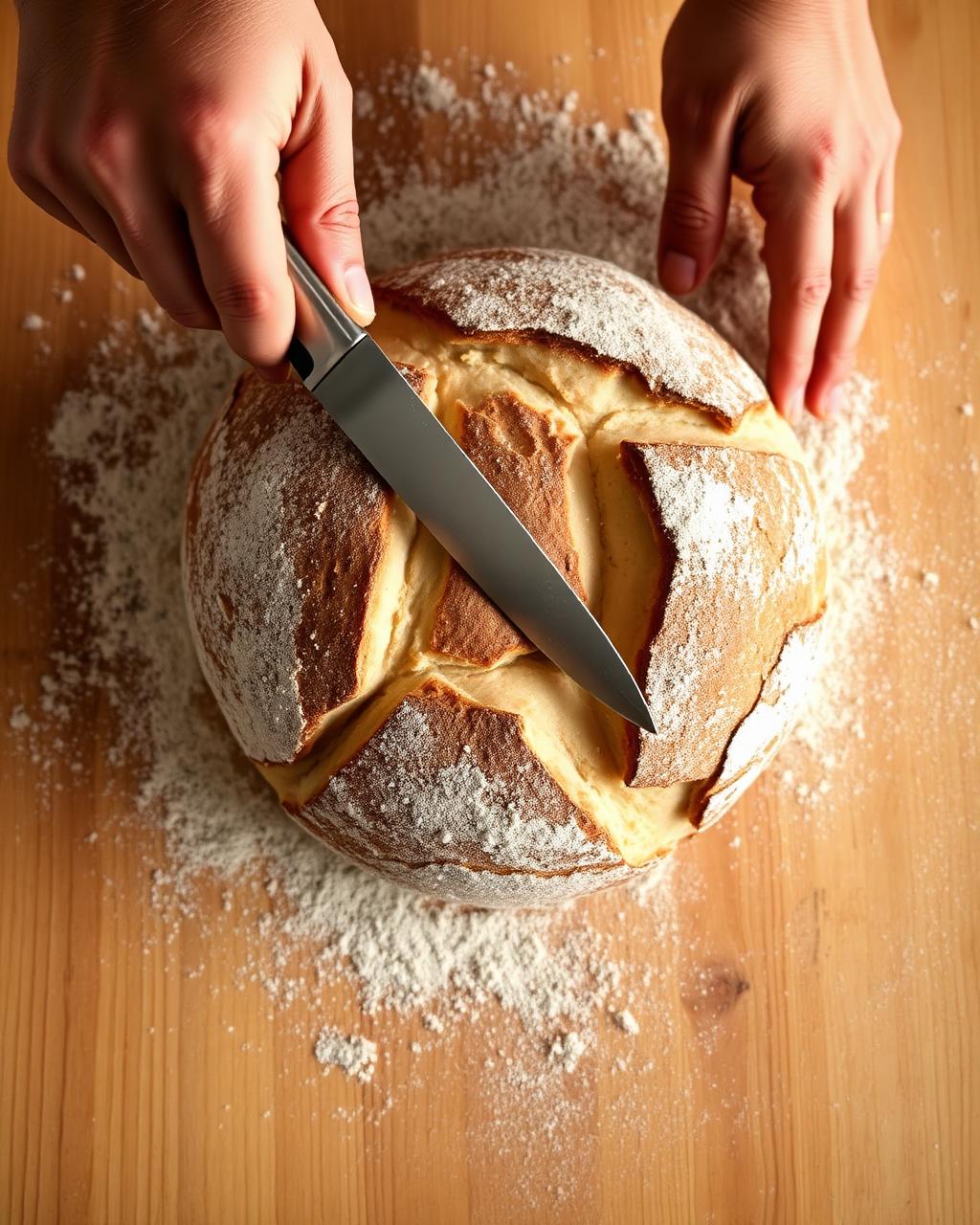
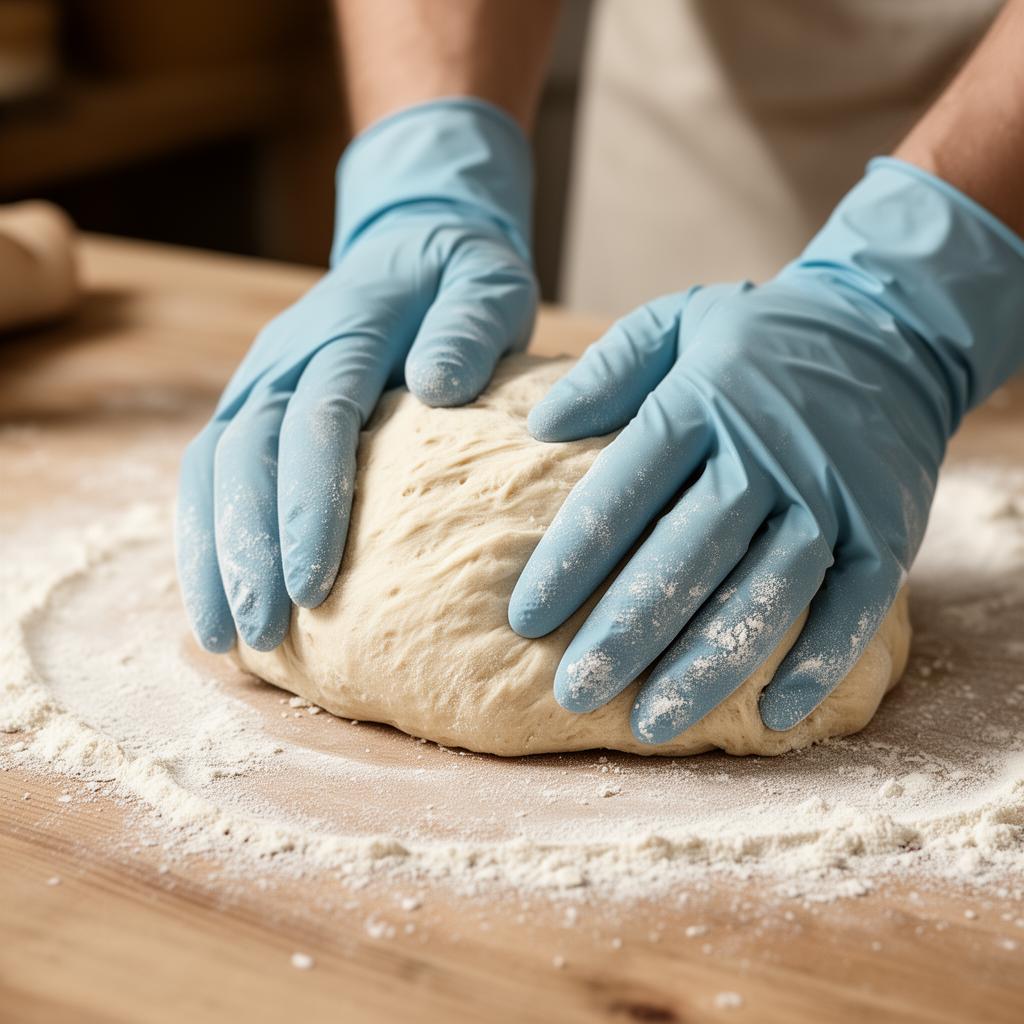
By hand, gently. Folded, rested, shaped into boules and batards. Then back into the cold for another long rest.
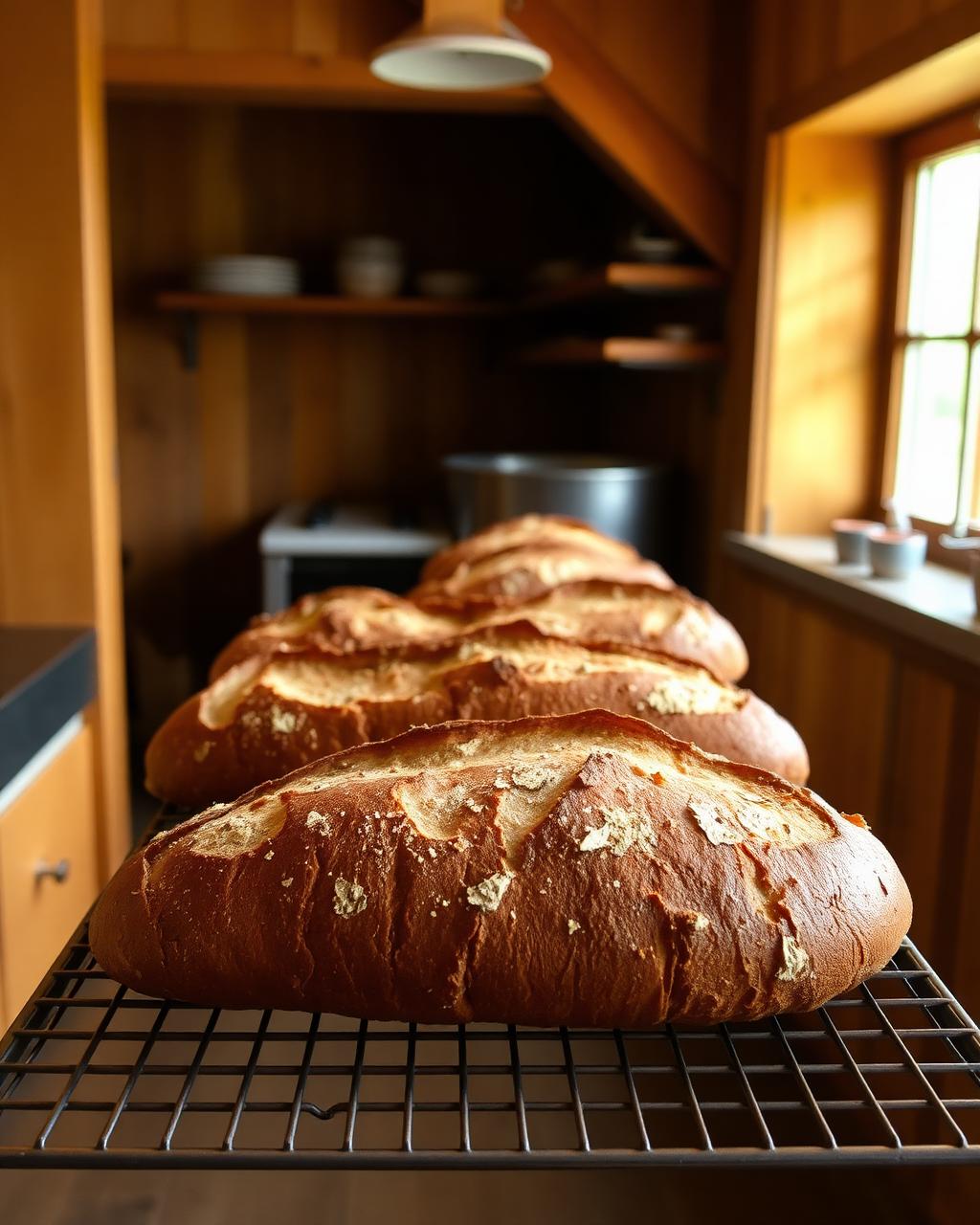
Cast iron, steam, high heat. Forty-five minutes later, the kitchen smells like the reason we do this.
Shop
We're still building it — the same way we bake, slowly and properly. Ordering will open here shortly.